April 30, 2026 • Kwame Osei-Bonsu • 9 min reading time • Prices verified June 18, 2026
Ring Floodlight Cam vs. Separate Camera Plus Flood Light: Which Setup Wins on Cost and Coverage
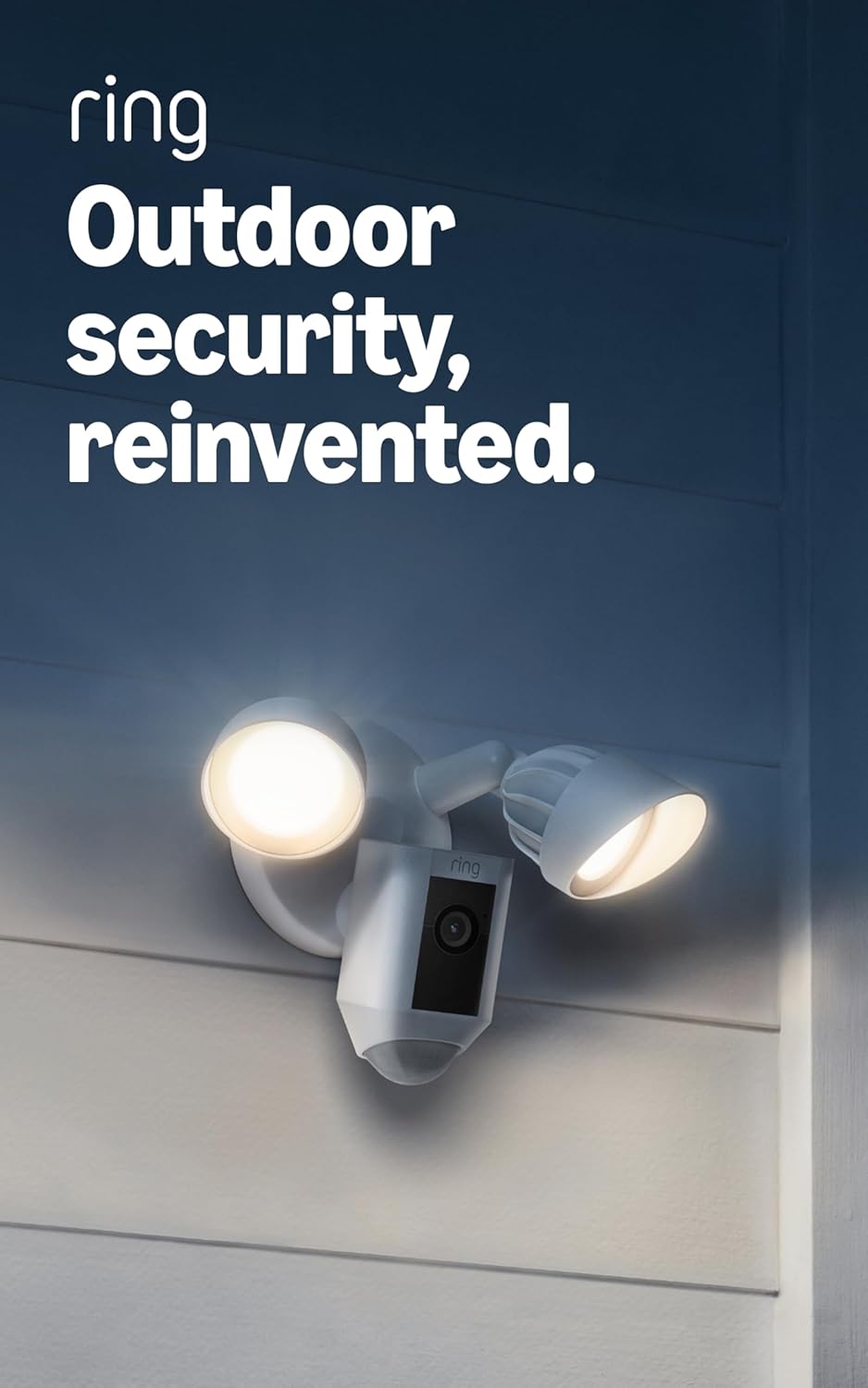
If you’ve been shopping for outdoor home security, you’ve probably run into two very different paths to the same goal — protecting the dark corners of your property. The first path is an all-in-one combo unit: a single device that mounts to your exterior wall and combines a security camera with a flood light that activates when it detects motion. Ring’s Floodlight Cam is the most recognizable name in that category. The second path is a split system: you buy a standalone security camera and a separate smart flood light, wire or mount them independently, and manage them together. Both paths light up your driveway and put footage on your phone — but the costs, the coverage, and the long-term flexibility are meaningfully different. This article shows you the math and the trade-offs so you can decide which approach actually fits your setup.
The All-in-One Case: What You’re Actually Paying For With Ring Floodlight Cam
Ring’s Floodlight Cam line — the flagship model as of mid-2026 is the Floodlight Cam Wired Pro, retailing around $249–$279 — is engineered around a core promise: one wire run, one mounting point, one app, one motion event that simultaneously trips the light and starts recording. That integration is genuinely useful. PCMag’s review of the Floodlight Cam Wired Pro (PCMag, “Ring Floodlight Cam Wired Pro Review,” 2024) noted that the motion zone customization and radar-assisted 3D Motion Detection meaningfully reduces false alerts compared to older PIR-only sensors.
But integration is also a ceiling. Here’s what the all-in-one locks you into.
H3: Fixed Camera-to-Light Geometry — The Core Limitation
The Floodlight Cam Wired Pro ships with a 140-degree horizontal field of view. The light heads flank the camera housing. That physical relationship is fixed — you point the camera where you need coverage, and the lights go where the camera goes. If your driveway runs at an oblique angle to the mounting point, one of the two light heads may end up aimed at a wall rather than the approach zone. Reviewers surveyed in SafeWise’s “Best Floodlight Security Cameras” roundup (SafeWise, 2025) consistently flag this geometry constraint as a real limitation on irregular or narrow driveways.
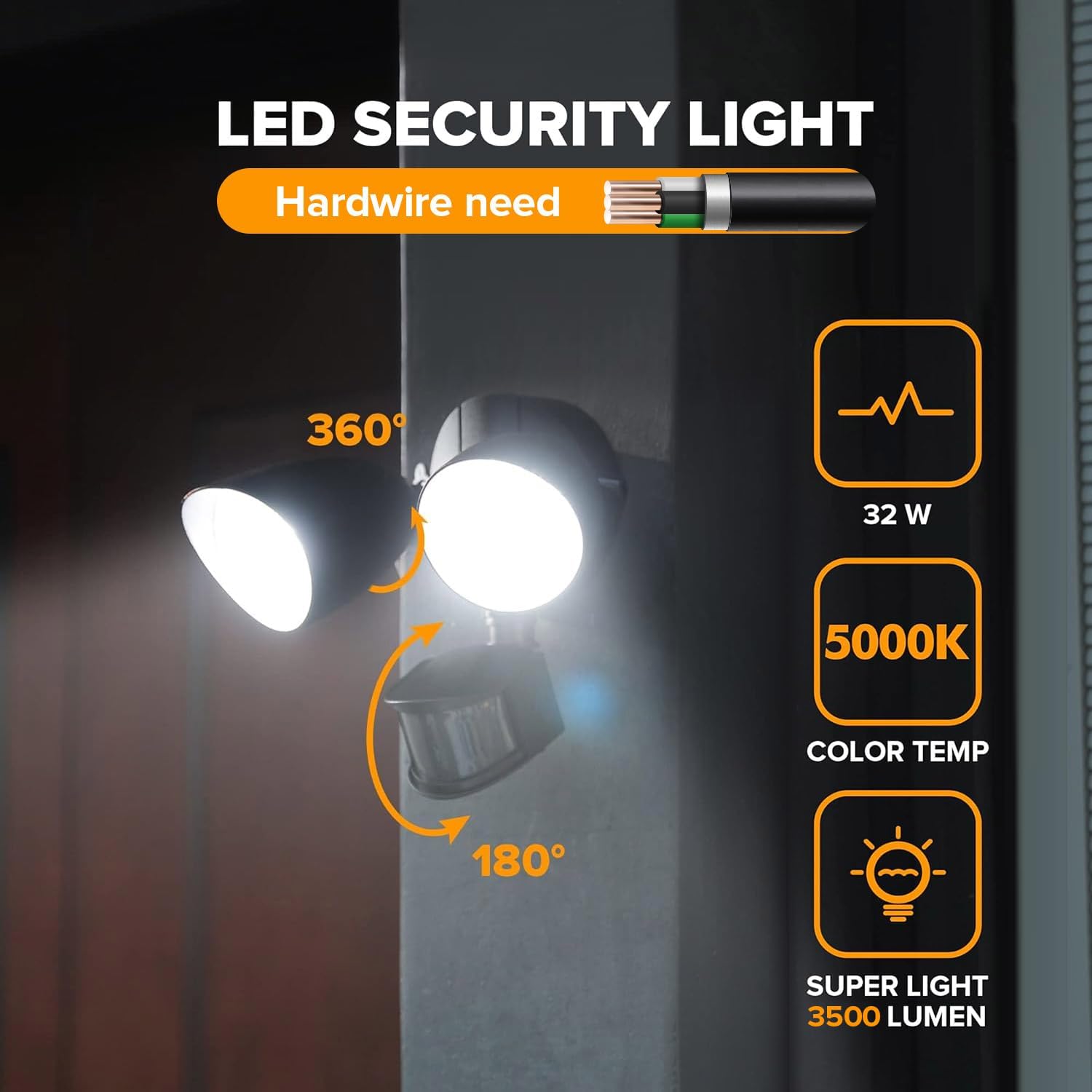
LUTEC
$31.99
In stock on Amazon
Check price on AmazonH3: Subscription Costs Are Non-Optional for Core Features
The Ring Protect Plus plan runs approximately $100 per year and covers unlimited cameras at one address. Without it, you receive real-time motion alerts but no video history — footage isn’t saved anywhere accessible after the live event. For a single-property homeowner with two or three cameras, that’s manageable. For a landlord managing three rental properties, that’s three separate Protect plans at $100 each, or a Ring Protect Pro plan at roughly $200 per year that bundles professional monitoring but still ties all devices to Ring’s ecosystem and cloud infrastructure.
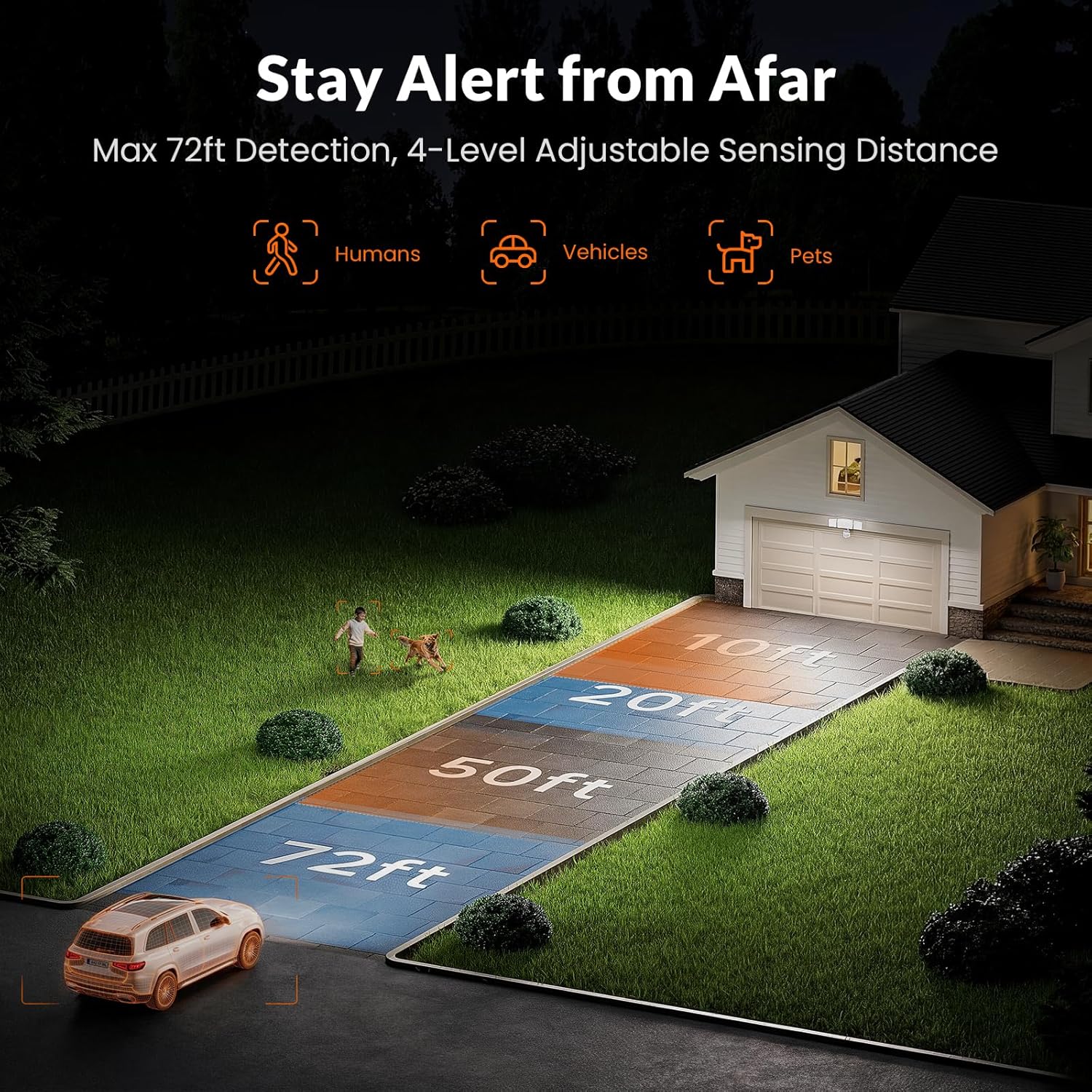
LEPOWER
$35.98
In stock on Amazon
Check price on AmazonH3: Three-Year Total Cost of Ownership — Ring Floodlight Cam Wired Pro
| Cost Component | Year 1 | Years 2–3 (each) | 3-Year Total |
|---|---|---|---|
| Hardware (single unit) | ~$260 | $0 | $260 |
| Ring Protect Plus (1 property) | $100 | $100 | $300 |
| Pro install (optional, typical) | ~$100 | $0 | $100 |
| Total | ~$660 |
That $660 figure assumes one property and self-installation. It’s a reasonable baseline — but it doesn’t tell the full story when measured against the split-system alternative.
Ring
$89.99
In stock on Amazon
Check price on AmazonThe Split System: Separate Camera Plus Standalone Flood Light
The split approach means choosing your camera and your lighting independently. A mid-tier pairing that covers similar territory might look like: an Arlo Pro 4 (named a top pick for local-storage-capable wireless cameras in Wirecutter’s “The Best Outdoor Security Cameras” guide, NYT Wirecutter, 2025, retailing approximately $179–$199) paired with a hardwired motion-sensing flood light fixture available at most hardware stores for $40–$80.
H3: Decoupled Angles — The Structural Advantage
This is the split system’s clearest win. Mount the camera where you need sight lines. Mount the lights where you need illumination. A driveway camera pointed down-angle can have a flood light offset several feet to the left, covering the approach zone from a different position entirely. You cannot achieve this with any all-in-one unit — the camera and light are physically housed together, and that relationship never changes regardless of how you tilt the mount.
LUTEC
$31.99
In stock on Amazon
Check price on AmazonH3: Subscription Optionality and Local Storage
An Arlo Pro 4 paired with an Arlo SmartHub gives you local video storage via microSD or a USB drive with no mandatory subscription for recorded footage. CNET’s “Best Outdoor Security Cameras of 2025” roundup (CNET, 2025) identifies Arlo’s local storage path as a meaningful differentiator versus Ring’s cloud-required approach. Arlo’s Secure subscription plan runs approximately $130 per year for unlimited cameras if you want cloud backup — comparable to Ring’s pricing — but the local storage fallback changes the risk profile entirely. If your internet goes down or your subscription lapses, locally stored footage remains accessible.
LEPOWER
$35.98
In stock on Amazon
Check price on AmazonH3: Component Independence and Long-Term Replacement Logic
If your flood light fixture burns out or your camera model gets discontinued, you swap only the failed piece. Security.org’s “Home Security Statistics and Trends” report (Security.org, 2025) documents multiple residential camera product lines that were abandoned between 2020 and 2024, leaving owners with hardware that no longer received firmware updates or cloud support. With an all-in-one combo unit, a failed camera board or a discontinued product line means replacing the entire assembly — light hardware and all — at full unit cost. Split systems let you extend the working life of functional components independently.
A solid split pairing — Arlo Pro 4 camera ($190), a quality hardwired motion-sensing flood light ($60), and DIY installation — runs approximately $250 upfront. Add Arlo Secure at ~$130/year if you want cloud backup, or $0/year if local hub storage meets your needs. Three-year total: approximately $510–$640 depending on subscription choice. That’s cost-competitive with Ring’s all-in-one, and buys considerably more flexibility.
The catch is real: two mounting jobs, potentially two wire runs, and two devices to troubleshoot. If you’re a renter with limited mounting options, or you’re outfitting a property you don’t visit frequently, the added complexity is a genuine operational cost, not just a one-time inconvenience.
Ring
$89.99
In stock on Amazon
Check price on AmazonWhere Each Setup Actually Wins: Coverage and Use-Case Analysis
Neither path is universally better. The right choice depends heavily on your property geometry, ecosystem preferences, and subscription tolerance. Here’s how the decision breaks down by scenario.
H3: When Ring Floodlight Cam Is the Right Call
Straightforward mounting point, direct sight line. A garage-facing eave with an unobstructed view of a flat driveway is exactly what the all-in-one was designed for. The 140-degree field of view covers most standard two-car driveways, and the integrated light heads aim naturally at the approach zone without any additional configuration.
Already invested in the Ring ecosystem. If you have a Ring Video Doorbell and a Ring Alarm system, the Floodlight Cam adds to a dashboard you already understand and manage. Wirecutter’s “The Best Outdoor Security Cameras” guide (NYT Wirecutter, 2025) notes Ring’s app coherence and ecosystem integration as real differentiators for homeowners already running Ring hardware elsewhere in the home.
Professional monitoring is a priority. Ring Protect Pro includes 24/7 professional monitoring. If monitored response is on your requirements list, the Floodlight Cam fits naturally into that subscription tier without adding third-party integration complexity.
Fastest time-to-operational. One box, one install, one app. For homeowners who don’t want to research camera-to-light compatibility or manage two separate devices in two separate apps, Ring’s integration is a genuine convenience — not just a marketing claim.
LUTEC
$31.99
In stock on Amazon
Check price on AmazonH3: When the Split System Is the Right Call
Irregular property geometry. Angled driveways, side gates, detached garages, carports with offset camera positions — any situation where the optimal camera placement and the optimal light placement are not the same physical point. This is the split system’s home turf, and no all-in-one unit can replicate it.
Multi-camera array or landlord context. Small landlords and short-term rental hosts building out four-to-eight-camera coverage across a property will find that a dedicated IP camera system paired with separately managed lighting gives them more control over image quality, storage, and power consumption. The all-in-one combo unit is a residential convenience product; it was not engineered for multi-node property coverage at scale.
Subscription avoidance is a design requirement. If you’re managing multiple properties and the math on separate Ring Protect plans feels like a compounding annual liability, the split system with local-storage-capable cameras changes that equation. The hardware investment is similar; the ongoing cost structure is fundamentally different.
Long-term ecosystem risk is a concern. Security.org’s “Home Security Statistics and Trends” report (Security.org, 2025) notes that integrated combo products face higher effective discontinuation risk when manufacturers refresh their product lines, because the entire unit — including working light hardware — becomes legacy equipment simultaneously. Split systems allow owners to extend the functional life of individual components as the market evolves.
LEPOWER
$35.98
In stock on Amazon
Check price on AmazonThe Honest Trade-Off Summary
The Ring Floodlight Cam Wired Pro is a well-engineered product. PCMag’s review (“Ring Floodlight Cam Wired Pro Review,” PCMag, 2024) called out its radar-based 3D motion detection as best-in-class for the all-in-one category, and the single-install footprint is difficult to beat for typical single-family homes with cooperative geometry. But it is a product with a fixed physical form factor and a subscription requirement attached to its most useful feature — recorded video history.
The split system asks more of you upfront: more research, more mounting work, more integration decisions. It pays you back in physical flexibility, component longevity, and subscription optionality.
The decision rules, stated plainly:
-
Straightforward mounting point, Ring ecosystem already in place, subscription cost is not a constraint → Ring Floodlight Cam Wired Pro is the right call. Buy it, install it, move on.
-
Irregular property geometry, multi-camera build, local storage requirement, or multi-property landlord context → split system. Pair a local-storage-capable camera (Arlo Pro 4 with SmartHub, or a wired IP camera on a local NVR) with an independently mounted flood light. The upfront complexity is a one-time cost; the flexibility compounds over years.
-
Rental property you don’t personally manage and need lowest ongoing friction → lean toward Ring Floodlight Cam for simplicity, but budget the Protect Plus plan into your property operating costs from day one. The hardware price is not the full price of this system.
One final note on the subscription math: at a five-year horizon on either platform, subscription costs will exceed the original hardware cost of the camera itself. That is the real story in this category. Whatever you buy, you are making a multi-year subscription commitment, not just a hardware purchase. Price the full stack — hardware, annual subscriptions, and eventual replacement cost — before you commit to either path.
Ring
$89.99
In stock on Amazon
Check price on Amazon