May 29, 2026 • Kwame Osei-Bonsu • 9 min reading time • Prices verified June 18, 2026
Door and Window Sensors: Which Ecosystems Are Worth Building Into and Which Are Already Dying
A door or window sensor is about as simple as a security device gets: two small magnets — one mounted on the frame, one on the door or window itself — that trigger an alert the moment they’re pulled apart. When the door opens, the circuit breaks, and your security system knows about it within seconds. That’s the whole mechanism. What isn’t simple is what happens after that alert — where it goes, which automations it triggers, how reliably it works over three years, and whether the company running the backend will still exist when you need it most. If you’re building a security system across more than one property, or you’re planning to expand beyond a starter kit, the sensor hardware is almost secondary. The ecosystem behind it is everything.
This article is for buyers who already understand the basics and are now asking the harder question: which platforms are actually worth committing to? We’ll name the ecosystems showing real staying power, identify the ones flashing warning signs, and give you a concrete decision framework for matching a sensor platform to your specific situation.
What “Ecosystem” Actually Means for Sensors — and Why It Changes the Math
When security professionals talk about ecosystem, they mean the full stack: the sensor hardware, the hub or base station that receives signals, the communication protocol (Z-Wave, Zigbee, Wi-Fi, or proprietary RF), the app, and the cloud or local storage infrastructure behind it. A door sensor that costs $15 is not cheap if it requires a $10/month monitoring subscription, a proprietary hub that’s been discontinued twice, or a protocol that no other devices in your home support.
The protocol layer is where buyers most often get surprised. Z-Wave and Zigbee are open, standardized mesh protocols — sensors from one Z-Wave brand can (in principle) work with a hub from another. Matter, the newer interoperability standard backed by Apple, Google, Amazon, and the Connectivity Standards Alliance, is now adding door/window sensor support in its 1.3 and later specs, though real-world device availability is still catching up as of mid-2026. Proprietary RF protocols — used by Ring, SimpliSafe, and Vivint — keep the ecosystem tightly controlled, which means better reliability tuning but zero portability.
By the numbers:
- Ring Alarm sensor range: manufacturer-rated at up to 250 ft. from base station
- SimpliSafe Entry Sensor battery life: rated 5 years on a single CR-2032
- Z-Wave protocol range (open mesh): typically 100–300 ft. per hop, extendable
- Matter 1.3 door/window sensor devices listed on the CSA’s product registry: fewer than 40 as of Q1 2026 (per the Connectivity Standards Alliance’s official device registry)
The Ecosystems Worth Building Into Right Now
Ring Alarm — Solid for the Self-Monitor Crowd, with a Known Ceiling
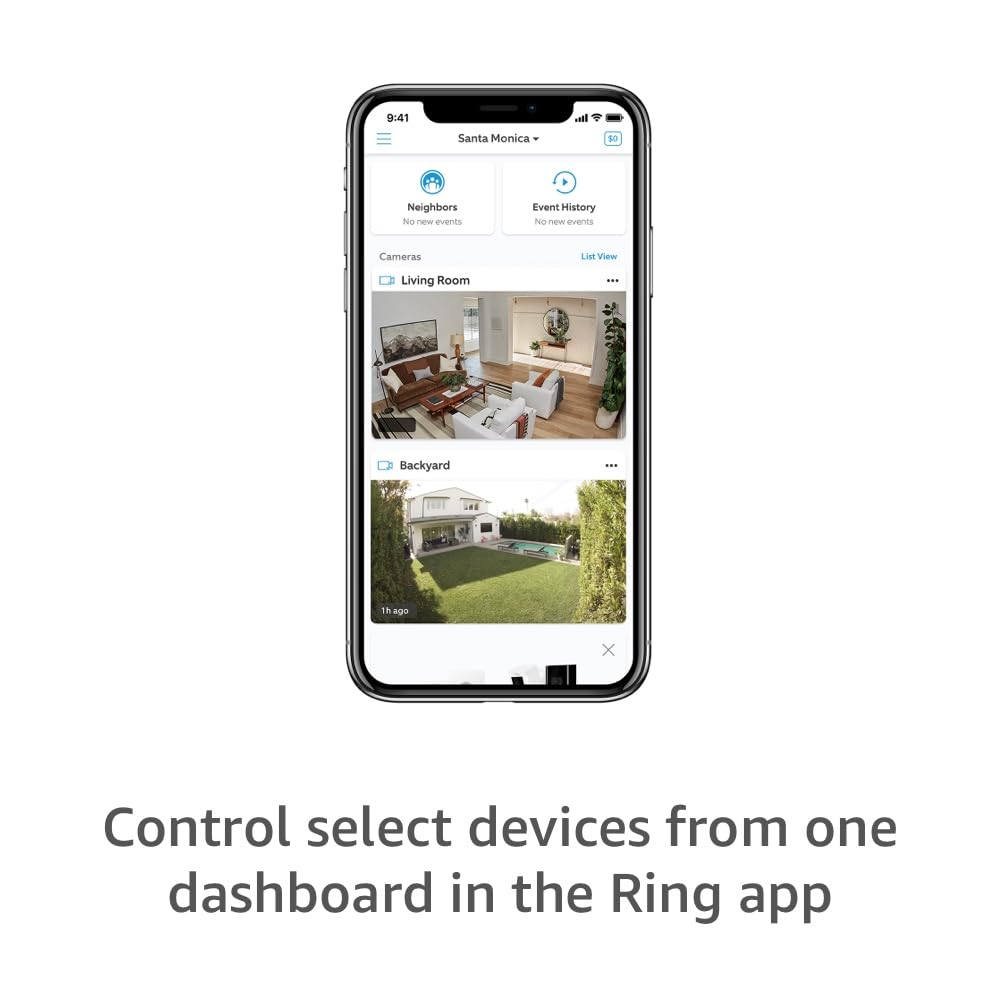
Ring Alarm remains one of the most widely reviewed and commonly recommended entry-to-mid-tier platforms. PCMag’s 2025 update to their best security systems roundup notes Ring’s strength in sensor reliability and app polish, alongside its tight integration with Amazon Alexa and Ring’s own camera lineup. The contact sensors are CR-123A battery-powered, rated at roughly three years of typical use, and install with standard adhesive or screws.
The ceiling: Ring is a closed, proprietary RF ecosystem. Your sensors will never talk to a SmartThings hub, a Home Assistant instance, or a competitor’s panel without third-party workarounds — and Amazon’s track record of sunsetting hardware lines (the original Ring Alarm Base Station, the first-gen keypads) means you should budget for eventual hardware refresh. The Wirecutter’s 2025 review of home security systems calls Ring “the right answer for Amazon households that want a cohesive app experience” — which is accurate and also a useful flag. If you’re not an Amazon household, that cohesion works against you.
3-year total cost estimate (8-sensor setup, self-monitored): ~$220 hardware + $100 in subscription fees (Ring’s basic plan, $3.99/mo) + ~$40 battery replacements = ~$360. Professional monitoring adds $200/year and meaningful cloud storage features.
SimpliSafe — The Clearest Professional-Monitoring Value Proposition
SimpliSafe’s architecture is purpose-built for professional monitoring at a mid-tier price. SafeWise’s 2025 rankings consistently place SimpliSafe in the top three for monitoring response time and equipment reliability. The contact sensors are among the most-reviewed on the market, with owners across aggregated reviews consistently reporting 4–5 year battery life and very low false-alarm rates once properly calibrated.
What makes SimpliSafe worth building into is its business model stability. The company has maintained backward hardware compatibility across multiple generations — your Gen 2 sensors still work on the Gen 3 base station — and its monitoring plans are straightforward, without the tiered feature-gating that plagues some competitors. CNET’s 2025 home security review flags SimpliSafe as “the most upgrade-friendly proprietary system,” specifically because of that legacy device support.
The trade-off: it’s still a closed system. No Z-Wave, no Zigbee, no Matter. If you want to automate lights when a door opens, you’re doing it through SimpliSafe’s own smart home integrations (Google Home and Alexa, primarily), which are functional but not deep. For a landlord running 3–6 units with professional monitoring as the core requirement, this is a strong choice. For a smart-home enthusiast who wants tight automation, it’s limiting.
Home Assistant + Z-Wave/Zigbee — The Highest Ceiling, the Steepest Ramp
For the security-architecture enthusiast building a layered, locally-controlled system, the combination of Home Assistant (open-source hub software) with Z-Wave or Zigbee sensors offers something no proprietary platform matches: genuine hardware independence, local processing, and a sensor ecosystem that spans dozens of manufacturers.
Aeotec, Ecolink, NYCE, and Dome all make Z-Wave door/window sensors that work natively with Home Assistant via a Z-Wave JS integration. Owners across long-run forum discussions and technical reviews consistently report that Ecolink door/window sensors — widely available and frequently recommended by the Home Assistant community — offer multi-year battery life and extremely reliable mesh performance in typical residential layouts.
Tom’s Guide’s 2025 smart home coverage notes that Matter’s arrival is beginning to simplify local-first setup for new buyers, but acknowledges that door/window sensor support in Matter 1.3 is “still thin on actual shipping products.” For now, Z-Wave remains the mature path for local, protocol-agnostic sensor builds.
The honest ramp warning: this is not a weekend afternoon project for most buyers. Hub setup, Z-Wave network pairing, and Home Assistant configuration require comfort with basic networking concepts and tolerance for troubleshooting. Pro-install difficulty rating for this approach: 3.5 out of 5 for a complete multi-sensor setup. Self-install for a technically comfortable buyer: 2.5 out of 5 with good documentation.
Arlo and Ring Camera-Adjacent Sensor Kits — Useful in Hybrid Builds, Weak as Primaries
Both Arlo and Ring offer door/window sensors as add-ons to their camera ecosystems, and both are competent for what they are. The sensors work cleanly within their respective apps and can trigger camera recordings — a genuinely useful integration when a door sensor and adjacent camera are on the same platform. But neither Arlo nor Ring’s sensor ecosystem has the depth or third-party extensibility to serve as your primary sensor architecture. Security.org’s 2025 consumer trends report notes that buyers who start with camera-first platforms like Arlo frequently end up layering a dedicated alarm panel (SimpliSafe or Ring Alarm) underneath within 18 months. That duplication is an avoidable cost if you plan the architecture first.
The Ecosystems Showing Warning Signs
Abode — Technically Capable, Commercially Uncertain
Abode built an unusually flexible system: it supports Z-Wave, Zigbee, and its own CUE automation engine, and for years it was a favorite among enthusiast buyers who wanted professional monitoring without a proprietary sensor trap. The underlying architecture is still solid. The concern is business trajectory. Abode’s product update cadence slowed noticeably through 2024–2025, and the company’s public communications have thinned. The Wirecutter removed Abode from its primary recommendations in their 2025 update, citing “uncertainty about long-term platform investment.” That’s not a death notice, but it’s a flag. If you have an existing Abode installation, it still functions. Starting a new multi-property build on Abode in mid-2026 carries real platform-continuity risk.
Wink — Already Dead, Lessons Still Relevant
Wink’s 2020 collapse from a free service to a mandatory paid subscription — followed by extended outages and eventual shutdown — remains the canonical case study in ecosystem risk for residential security buyers. Owners of Wink hubs found their Z-Wave and Zigbee sensors suddenly non-functional without a hub replacement. The lesson isn’t specific to Wink; it’s structural. Any hub-dependent, cloud-reliant sensor architecture carries some version of this risk. Local-processing architectures (Home Assistant, Hubitat) eliminate the cloud-shutdown scenario entirely. Proprietary cloud platforms (Ring, SimpliSafe) mitigate it through scale — these are Amazon-backed and well-capitalized platforms — but don’t eliminate it.
The Decision Framework: If X, Then Y
Here’s how to map your situation to a sensor ecosystem:
If you want professional monitoring, minimal setup friction, and plan to stay on one property: SimpliSafe is the clearest choice. The closed ecosystem is a fair trade for monitoring reliability, legacy hardware support, and a subscription model that doesn’t punish you with constant feature-gating.
If you’re an Amazon household already running Alexa and Ring cameras: Ring Alarm is the natural extension. Understand the proprietary ceiling going in, budget for hardware refresh every 4–5 years, and don’t build automations that assume Ring will always be the hub.
If you’re managing 3+ properties and need centralized, remotely monitored security with professional backup: SimpliSafe’s multi-location app support or a Vivint commercial deployment are both worth evaluating — Vivint’s professional install and 24/7 monitoring infrastructure are purpose-built for this use case, though total cost of ownership over 5 years runs significantly higher.
If you’re a smart-home enthusiast or small landlord who wants deep automation, local control, and no subscription dependency: Invest the setup time in Home Assistant with Z-Wave or Zigbee sensors. The long-run cost and flexibility advantages are substantial. Plan for a longer initial configuration window.
If a vendor rep is pitching you Abode or another secondary platform: Ask directly what their last major firmware update was and when the next hardware generation ships. Vague answers are a real signal.
The sensor hardware itself is almost never the variable that determines whether a security system works well over time. The ecosystem holding those sensors together — its financial health, protocol choices, and subscription model — is what you’re actually buying. Read that layer first.